
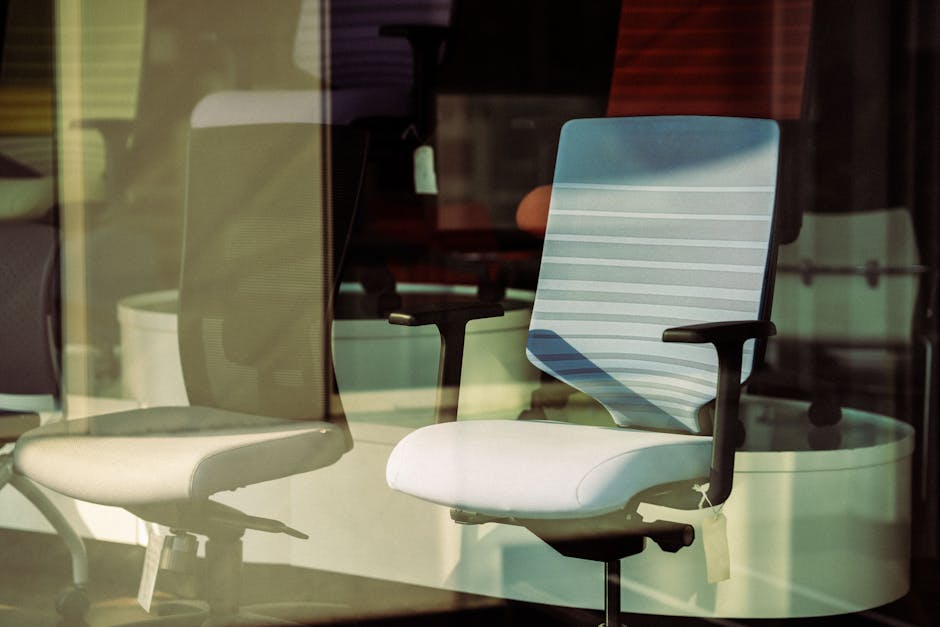
Walk into any well-appointed office and you’ll immediately notice two distinct types of seating competing for attention: the sleek, high-backed executive chair and the adjustable, support-forward ergonomic model. Both claim to be the best office chairs money can buy — but they’re built for different priorities, and choosing the wrong one for a specific role can quietly cost you in productivity, health claims, and staff turnover.
This breakdown cuts through the marketing language so you can make confident, role-specific decisions for your whole team.
What Actually Separates These Two Chair Categories
At their core, ergonomic and executive chairs solve different problems.
Ergonomic office chairs are engineered around the human body’s need for movement and postural support during long, uninterrupted work sessions. Key features typically include adjustable lumbar support, seat depth adjustment, independently reclining backrests, armrest customization (height, width, pivot), and breathable mesh backs that reduce heat buildup. According to research published by the Cornell University Ergonomics Lab, poor seating posture is one of the primary contributors to musculoskeletal discomfort in desk workers — and adjustability is the most reliable counter-measure.
The philosophy is functional: every dimension of the chair adapts to the person sitting in it, not the other way around.
Executive office chairs take a different approach. Wide, padded seats upholstered in leather or high-grade faux leather, tall imposing backs, and solid armrests signal authority and permanence. These chairs are designed to communicate status as much as provide comfort. Adjustability still exists — most offer height and basic tilt — but it’s secondary to the chair’s visual presence in a room.
Executive chairs also tend to be heavier and larger, which suits private offices or boardrooms where the chair becomes part of the room’s aesthetic statement.
The practical takeaway: if someone sits for six or more hours a day doing focused computer work, an ergonomic chair is the defensible choice. If someone spends shorter periods at a desk but hosts frequent in-person meetings where professional impression matters, an executive chair carries its weight.
Adjustability: More Than a Feature Checklist
It’s worth going deeper on adjustability because buyers often underestimate how much it matters at scale. When you’re outfitting a team of 20 people, you’re dealing with a wide range of heights, weights, and sitting preferences. A chair with five meaningful adjustment points serves that range far better than one with two.
Look specifically for: seat height range (does it accommodate both shorter and taller employees?), lumbar support that moves vertically — not just in or out — and armrests that adjust to at least three dimensions. These aren’t luxury upgrades; they’re the difference between a chair that gets used correctly and one that gets complained about within a month.
Cost, Longevity, and Total Value
Budget conversations around office chairs often focus on unit cost, which misses the bigger picture. A well-built ergonomic chair from a reputable manufacturer — think the Steelcase Leap, Herman Miller Aeron, or comparable mid-market options — typically runs $600–$1,500 per unit but is rated for 10–12 years of daily use. A lower-cost executive chair at $250–$500 may need replacing in three to four years under heavy use.
When you factor in replacement cycles, staff complaints, and the indirect cost of back-pain-related absenteeism, investing more upfront in ergonomic seating for high-use roles frequently delivers better value over a five-year horizon. The American Institute of Stress notes that workplace discomfort is a measurable contributor to employee stress and reduced concentration — both of which affect output well before anyone files a formal complaint.
Executive chairs, on the other hand, can justify their cost in leadership or client-facing spaces where appearance carries a return on investment of its own.
Matching Chair Type to Office Role
Here’s where the decision becomes practical rather than theoretical.
For developers, designers, writers, and analysts — anyone doing deep, heads-down work for most of the day — an ergonomic chair is non-negotiable. These are your highest-risk employees for repetitive strain and posture-related issues, and they’re often the hardest to replace. Treat their seating as an investment in retention and output quality.
For executives, senior managers, and client-meeting rooms — an executive chair signals the weight of the role and suits spaces where the furniture is part of the professional impression. If the occupant also logs long hours at a keyboard, consider hybrid models that blend executive aesthetics with genuine lumbar adjustability. Several manufacturers now offer exactly this.
For reception areas and hot-desking environments — durability and ease of use matter most. Hot desks see many different users across a single day, so chairs with intuitive, quick adjustments serve better than either extreme. Look for mid-range ergonomic models with fewer but clearly labeled controls.
For conference and training rooms — seating here is used in shorter bursts, so neither deep ergonomic engineering nor premium executive leather is strictly necessary. Comfortable, stackable task chairs that maintain a consistent visual tone with the rest of your office will serve you well without breaking the budget.
The underlying principle: let the nature of the work and the daily duration of sitting drive the decision. Aesthetic preferences and budget constraints come second.
Frequently Asked Questions
Are ergonomic chairs worth the higher price tag?
For roles involving five or more hours of desk work daily, yes — consistently. The health and productivity benefits of proper lumbar support and adjustability outweigh the higher upfront cost, especially when you account for longer product lifespan and reduced absenteeism related to back and neck discomfort.
Can an executive chair be ergonomic?
Some can, but most prioritize aesthetics over adjustability. If you need a chair that reads as executive but supports long working hours, look specifically for models that include adjustable lumbar support and seat depth — these features are the baseline for genuine ergonomic function.
How long should a quality office chair last?
A well-built ergonomic chair from a reputable brand should last 10–12 years under daily use. Executive chairs vary widely; premium leather models with solid frames can last a similar period, while budget versions may show significant wear within three to four years.
What’s the most important adjustment to look for in an ergonomic chair?
Lumbar support adjustability is the single most impactful feature for most users, followed closely by seat depth. These two adjustments do the most to maintain a healthy spinal curve and reduce pressure on the lower back during extended sitting.
Should all employees get the same type of chair?
Not necessarily. Standardizing on one chair model simplifies procurement and creates a consistent look, but role-based selection often delivers better value. High-use desk workers genuinely benefit from ergonomic models, while lower-use spaces can be outfitted more cost-effectively.
Do chair materials — mesh vs. leather — affect comfort over a full workday?
Yes, notably. Mesh backs allow airflow, which reduces heat and moisture buildup during long sessions — a real comfort factor in warmer climates or open-plan offices. Leather and faux-leather chairs look premium but can become uncomfortable in warm conditions. For full-day desk workers, mesh is generally the more practical choice.