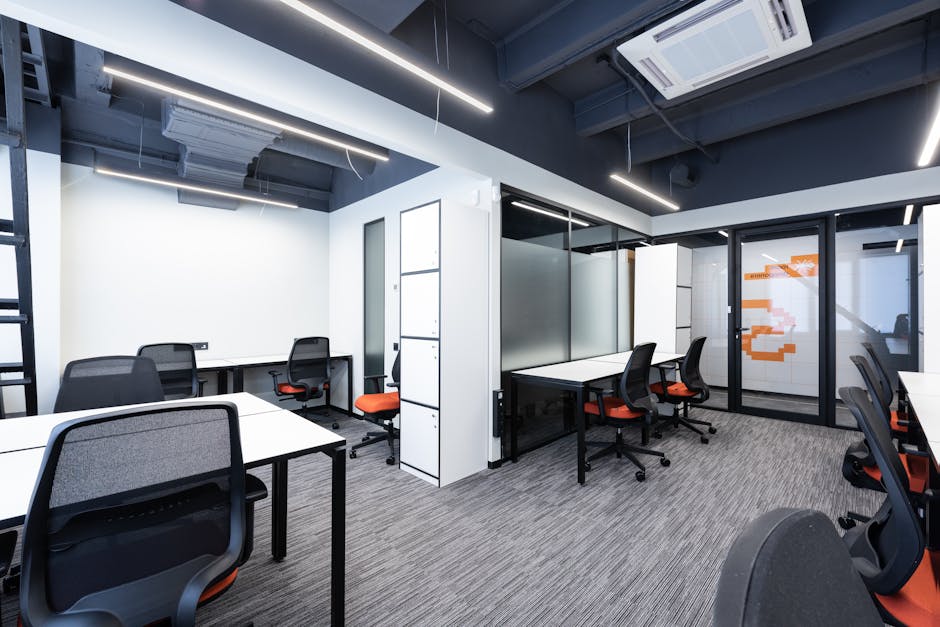
Getting office furniture right the first time is harder than it sounds. Buy too little and you’re scrambling to seat new hires on folding chairs by month six. Buy too much and you’ve burned runway on a sprawling setup that embarrasses you in investor meetings. The real goal — especially when choosing office furniture for startups and growing teams — is a phased approach that matches your spend to your actual headcount, without locking you into a layout you’ll regret.
This guide breaks that process into three practical stages, with specific buying principles for each one.
Phase One: The Lean Foundation (10–25 People)
At this stage, flexibility beats aesthetics. You probably don’t know exactly how your team will grow, which departments will expand fastest, or whether you’ll even stay in the same space. That uncertainty should drive every purchasing decision.
Prioritize modular desking systems. Rectangular desks on adjustable legs cost less than custom built-ins and can be reconfigured in an afternoon. Buying a modular system from an established manufacturer — rather than one-off pieces from different vendors — also means you can add matching units later without mismatched heights or finishes.
Don’t over-invest in seating yet. Task chairs are worth spending on (back pain is a real productivity killer), but you don’t need a dozen lounge chairs and a barista-style breakout zone when you have 15 employees. Buy quality ergonomic chairs for every workstation, hold off on the rest, and revisit as headcount climbs.
Plan your zones before you buy anything. Even in a small office, separating focused work areas from collaboration spaces prevents constant noise complaints. Sketch a rough floor plan that reserves space for a future conference room, even if that room doesn’t exist yet. A few square metres left intentionally empty costs nothing now and saves a major reshuffle later.
Buy for headcount plus 20%. If you have 15 people, kit out for 18. That buffer covers contractors, interns, and the hire who starts before their desk arrives — without tying up capital in a ghost-town of empty workstations.
For acoustic solutions at this stage, simple desk dividers or acoustic panels mounted to walls are far more cost-effective than full pod furniture. Research from the British Council for Offices consistently shows that noise is the top workplace productivity complaint — address it cheaply early so it doesn’t become an expensive retrofit.
Phase Two: Scaling the Infrastructure (25–60 People)
Once you’ve crossed roughly 25 people, a few things change. You likely have dedicated teams with different working styles, a more predictable hiring trajectory, and probably a longer lease. This is the stage where investing in proper infrastructure pays off — and where many companies finally feel confident enough to do it.
Upgrade the meeting room situation. A single huddle room worked fine at 15 people; at 40, it’s a bottleneck. The standard planning benchmark — roughly one meeting room per 10–12 employees — is a reasonable starting point. Furnish these with purpose-built conference tables and stackable or folding chairs so the room can flex for workshops and all-hands events.
Introduce dedicated collaboration furniture. Sofas, high tables with stools, and writable surfaces serve real functional needs at this scale, not just aesthetic ones. Teams doing creative work or cross-functional projects benefit enormously from informal settings distinct from their desks. Budget roughly 15–20% of your total furniture spend on these spaces.
Standardise your desk specification. Mixed desk heights, mismatched cable management trays, and inconsistent monitor arms create IT headaches and a visual mess. Phase two is the right moment to standardise — even if it means replacing some phase-one pieces that don’t fit the new spec. Locking in a single supplier relationship also gives you negotiating leverage as your orders grow.
Invest in ergonomics at scale. Height-adjustable (sit-stand) desks become significantly more cost-effective when purchased in bulk orders of 20 or more. According to WELL Building Standard guidelines, access to sit-stand options is directly linked to reduced musculoskeletal issues — a meaningful benefit once you’re large enough that sick days have real operational impact.
This phase is also a good moment to audit what you bought in phase one. Sell or donate furniture that doesn’t fit your evolving spec. The second-hand office furniture market is active enough that quality pieces recoup reasonable value.
Phase Three: Building for 60–100+ People
At this scale, you’re no longer buying furniture — you’re designing a workplace. The decisions made here tend to be sticky for three to five years, which means getting the brief right matters more than getting a bargain.
Bring in a workplace consultant or interior designer. The cost of professional advice is trivially small compared to a full-office furniture spend at this headcount. A good consultant will challenge your assumptions about desk-to-person ratios (activity-based working often means you need fewer desks than you think), help you evaluate suppliers, and flag lead times before they become crises.
Think in neighbourhoods. Large offices work best when they’re broken into distinct zones — quiet focus areas, active collaboration hubs, social spaces, and support spaces like phone booths and storage. Furniture that clearly delineates these neighbourhoods reduces the need for rules and policing.
Plan for churn. At 100 people, some level of restructuring is constant. Furniture that can be reconfigured by your own facilities team — without calling in contractors — saves thousands annually. Look for systems with visible, tool-free connection points and document your layout in a floor-plan tool so changes are quick to model before they’re physically made.
Choosing office furniture for startups and growing teams at this stage means resisting the temptation to finalise everything at once. Phase your procurement across your first year in the space, starting with what’s operationally essential and adding collaboration and social furniture once you understand how your people actually use the building.
Frequently Asked Questions
How much should a startup budget per person for office furniture?
A practical range for a lean but functional setup is £800–£1,500 per person, covering a quality task chair, a modular desk, and a proportional share of shared-space furniture. Premium ergonomic builds or design-led fitouts can run £2,500 or more per person at larger scales.
Should we buy or lease office furniture at the early stage?
Leasing makes sense when capital preservation is critical and you expect significant headcount changes within 12–18 months. Buying outright is more cost-effective over a two-to-three-year horizon. Many growing teams lease desks and chairs in phase one, then transition to owned furniture once their floor plan stabilises.
What’s the biggest mistake companies make when buying office furniture too early?
Over-specifying for a headcount they haven’t reached yet. Buying a 20-seat boardroom table when you have 25 employees total locks up money and floor space that would serve the business far better as five smaller, flexible meeting rooms.
How do we avoid buying furniture we’ll need to replace in two years?
Focus on system-based products from manufacturers who have been in business for at least a decade and who clearly sell compatible extension components. Check that replacement parts (casters, height-adjustment motors, connector brackets) are available to order independently — not just as part of a new product purchase.
When should office furniture for startups and growing teams include sit-stand desks?
Typically from phase two onward, when bulk purchasing discounts make the per-unit premium manageable. If budget allows in phase one, prioritise sit-stand for roles with the longest screen time — developers, finance, and operations teams tend to benefit most.
How far ahead should we plan our furniture purchases?
Order lead times for quality commercial furniture typically run six to fourteen weeks. If you have a known move-in date or a hire ramp planned, work backwards from that date and add four weeks as a buffer. Last-minute orders often mean accepting lower-quality fast-ship options or paying premium expediting fees.